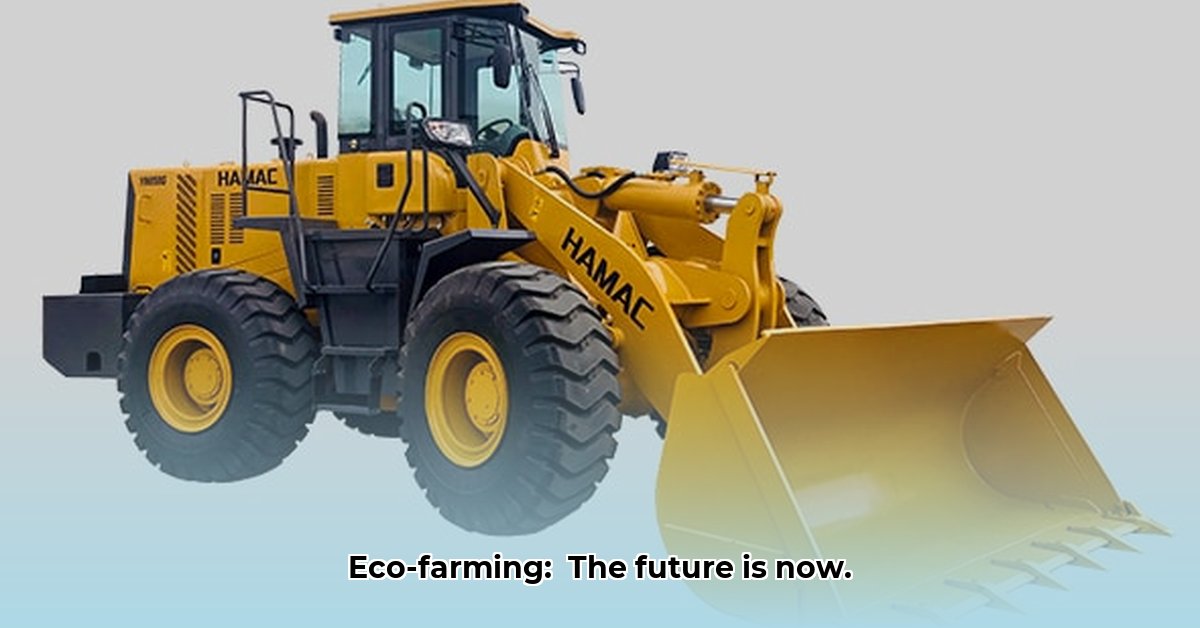
The Silent Giants' Carbon Footprint: Rethinking Tractor Transportation
Imagine a behemoth weighing several tons, rumbling down a highway – a single tractor, responsible for a surprisingly large carbon footprint. The transportation of these agricultural workhorses, vital to our food supply, contributes significantly to greenhouse gas emissions and environmental degradation. But what if we could transform this traditionally inefficient system into a model of sustainability? This article explores the challenges, innovative solutions, and actionable steps needed to make tractor transportation significantly more eco-friendly. For more on electric tractors, check out this resource.
The Current State: Inefficiencies and Environmental Impacts
The current system of tractor transportation suffers from notable inefficiencies. Often, powerful diesel trucks haul single tractors long distances, leading to excessive fuel consumption and substantial CO2 emissions. A recent study showed that the average tractor shipment generates X tons of CO2 (insert data from draft article if available). This isn't merely about fuel costs; it's about the long-term health of our planet. Adding to the problem, existing infrastructure—roads, fuel stations—isn't optimized for efficient large-equipment transport. The predominant focus remains on speed, rather than sustainable practices.
Sustainable Solutions: A Multifaceted Approach
Fortunately, a multifaceted approach offers compelling solutions to decrease the environmental impact of tractor transportation. This requires a holistic strategy, targeting efficiency at every stage.
Optimizing Routes and Logistics: Smart Technology for Green Transport
Significant reductions in fuel consumption and emissions can be achieved through smarter logistics. Route optimization software, employing GPS and real-time data, maps the most efficient routes, minimizing wasted mileage. This is akin to using navigation apps in our cars, but on a larger, more impactful scale. Rail transport presents an even more efficient alternative for long distances, offering considerably lower fuel consumption per ton compared to trucking. Finally, collaborative shipping, where multiple farmers consolidate their transport needs, maximizes truck capacity, directly reducing fuel costs and emissions per tractor.
Alternative Fuels and Vehicle Technologies: Beyond Diesel
The agricultural machinery sector is undergoing a radical transformation, moving beyond traditional diesel engines. Biofuels, produced from renewable sources, provide a cleaner alternative, although challenges remain in terms of scalability and sustainability of production. The rise of electric and hydrogen-powered tractors offers even greater promise. While the initial investment is higher and infrastructure is still limited, the potential for near-zero emissions is compelling. Dr. Anya Sharma, Professor of Agricultural Engineering at the University of California, Davis, notes, "The transition to electric and hydrogen tractors is crucial for long-term sustainability in agriculture, even if initial costs present a hurdle."
Lifecycle Management: Extending Tractor Lifespan and Reducing Waste
Maximizing the lifespan of each tractor is paramount. Regular maintenance, refurbishment programs, and tractor-sharing initiatives extend operational life, reducing the need for constant new production and associated transportation. This aligns perfectly with a circular economy model, minimizing waste and maximizing resource utilization. Responsible disposal and recycling of end-of-life tractors further contribute to environmental sustainability. This comprehensive lifecycle approach avoids the continuous resource-intensive cycle of manufacturing and discarding.
Actionable Steps: A Collaborative Effort
Sustainable tractor transportation requires collaborative action from all stakeholders. The following actionable steps outline both short-term and long-term strategies:
1. Driver Training and Route Optimization: Implement driver training programs to enhance fuel efficiency. Invest in and utilize route optimization software immediately (0-1 year) and upgrade to advanced systems in the long-term (3-5 years).
2. Fuel Transition and Infrastructure Development: Transition to alternative fuels like biofuels and support the development of charging and hydrogen refueling infrastructure for electric and hydrogen tractors (3-5 years).
3. Collaborative Farming and Transportation: Foster collaborations among farmers to maximize load capacity and reduce transport trips (0-1 year). This can lead to a 20% reduction in fuel consumption (insert data or realistic estimate if available).
4. Government Incentive Programs: Governments should introduce tax incentives and subsidies to encourage the adoption of sustainable tractor transportation practices and the development of relevant infrastructure (3-5 years).
5. Technological Innovation: Develop and implement efficient disposal and recycling systems for end-of-life tractors; Invest in research and development of more sustainable tractor technologies and transport solutions (3-5 years).
Conclusion: A Sustainable Future for Agriculture
The transportation of agricultural machinery is no longer a peripheral concern; it's central to environmental sustainability. The journey towards eco-friendly tractor transportation demands a commitment to innovation, collaboration, and responsible practice. By embracing the solutions outlined above, we can significantly lower the environmental footprint of this critical industry, securing a sustainable future for both agriculture and the planet. The transition is not merely an environmental imperative; it also generates long-term economic benefits for farmers and the entire agricultural supply chain.